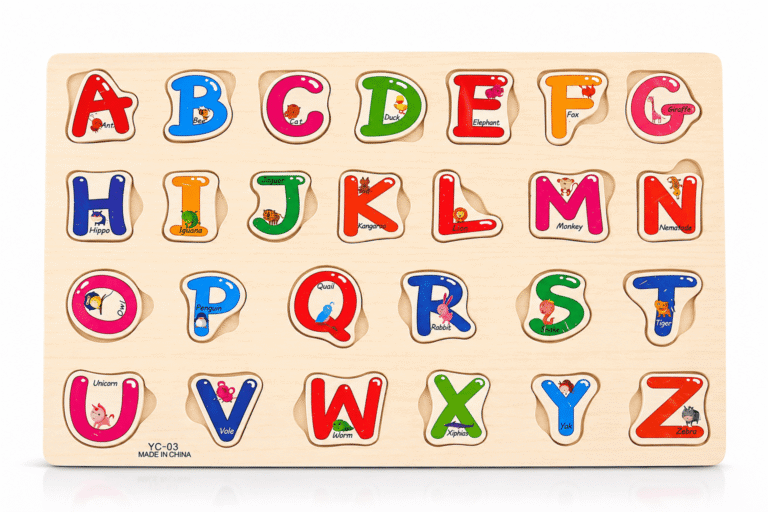
What Is an Alphabet Puzzle?
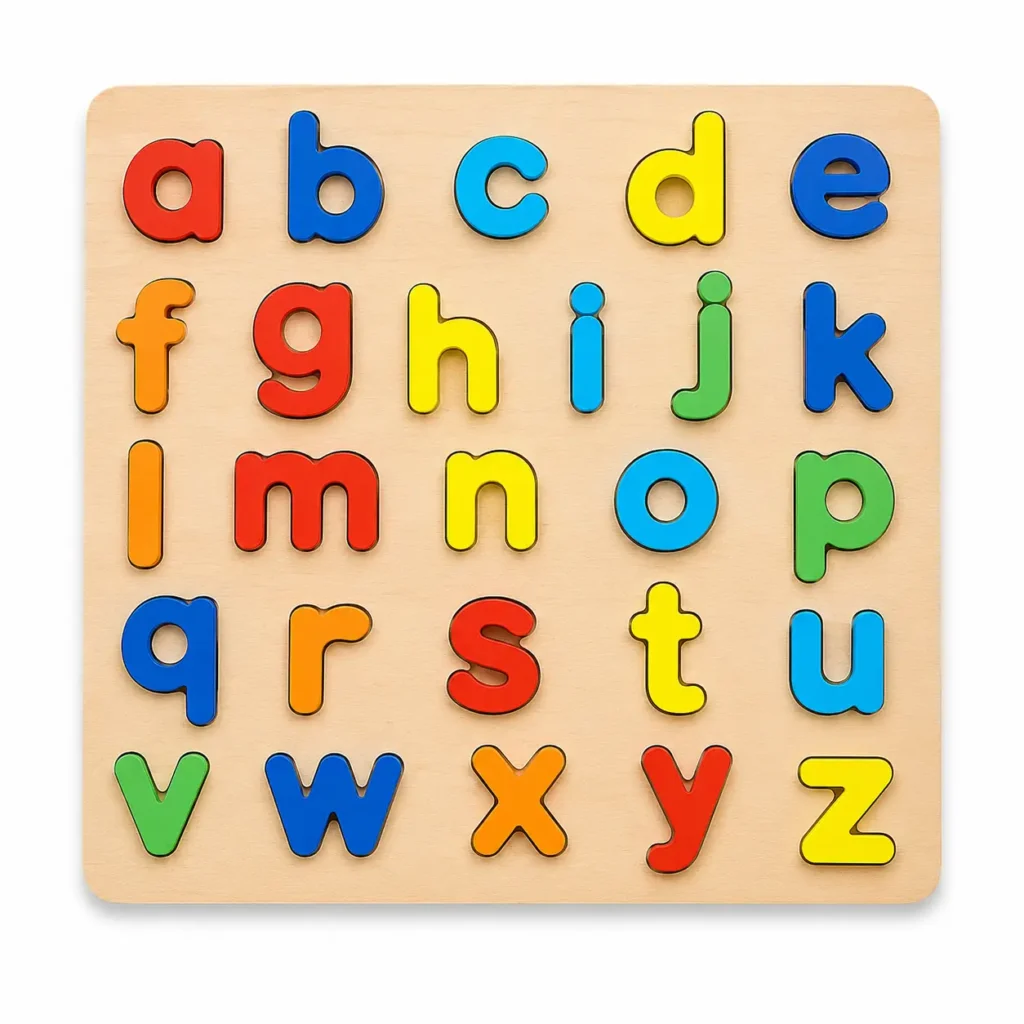
An alphabet puzzle is an educational toy designed to help children learn and recognize the letters of the alphabet through hands-on play. Each letter can be picked up, matched, and placed in its correct position, making learning more interactive and enjoyable. Alphabet puzzles can help young children become familiar with letters while also developing concentration, hand-eye coordination, fine motor skills, and early problem-solving abilities.
Benefits of Alphabet Puzzles for Kids
Alphabet puzzles offer children a fun and interactive way to learn letters while developing important early learning skills. By picking up, matching, and placing different letters, children can improve letter recognition, concentration, hand-eye coordination, fine motor skills, and problem-solving abilities. These hands-on activities also encourage children to learn independently and make the process of learning the alphabet more enjoyabl
Helps Children Recognize Letters
Alphabet puzzles help children become familiar with different letters by allowing them to see, touch, and match each letter. Repeated practice can make it easier for children to recognize letters and remember their shapes.
Makes Learning Fun
Learning becomes more enjoyable when children can learn through play. Alphabet puzzles turn letter practice into an interactive activity that encourages children to explore, match, and complete the puzzle while having fun.
Develops Hand-Eye Coordination
Completing an alphabet puzzle encourages children to think, observe, and find the correct place for each letter. These activities help develop early problem-solving skills and teach children to keep trying until they find the right solution.
Supports Fine Motor Skills
Handling small puzzle pieces gives children an opportunity to practice their fingers and hand movements. Picking up and placing letters can help strengthen fine motor skills that are useful for activities such as drawing, writing, and using everyday objects.
Encourages Independent Learning
Alphabet puzzles allow children to explore and practice at their own pace. When children successfully match the letters and complete the puzzle, they can develop confidence and become more interested in learning independently.
Supports Early Language Learning
Learning the alphabet is an important foundation for early reading and language development. Alphabet puzzles help children become familiar with letters, making it easier to gradually connect letters with sounds, names, and simple words.
How to Use an Alphabet Puzzle for Learning
Parents and teachers can use alphabet puzzles in different ways to make learning more engaging. Ask children to find specific letters, match each piece to its correct position, or identify the first letter of their name. As children become more familiar with the alphabet, they can also practice arranging letters and identifying the letters found in simple words. Keeping these activities playful and enjoyable can help children learn without feeling pressured.
Develops Hand-Eye Coordination
Alphabet puzzles give children an opportunity to practice hand-eye coordination while learning the letters of the alphabet. Children need to look at each letter, identify its shape, pick up the puzzle piece, and place it in the correct position. This simple process requires their eyes and hands to work together. With regular practice, children can become more comfortable with these movements. It also makes alphabet learning more active and engaging compared with simply looking at letters in a book.
Improves Problem-Solving Skills
Completing an alphabet puzzle encourages children to think carefully and make decisions. They need to identify each letter and figure out where it belongs on the puzzle board. If a piece does not fit, children can try another position and learn from the experience. This process encourages patience, observation, and early problem-solving skills. Instead of simply being given the answer, children get an opportunity to discover the correct solution themselves while enjoying a fun educational activity.
Supports Fine Motor Skills
Playing with alphabet puzzle pieces can help children practice their fine motor skills. Picking up, holding, moving, turning, and placing the pieces requires controlled movements of the fingers and hands. These small movements are useful for children’s overall development and can support skills needed for activities such as drawing, coloring, writing, and using everyday objects. Because children are practicing these movements while playing, the activity can feel natural and enjoyable rather than like a formal exercise.
Encourages Independent Learning
Alphabet puzzles can give children the opportunity to learn and practice independently. After learning how the puzzle works, children can try to identify letters and complete the puzzle by themselves. When they successfully place the pieces in the correct positions, they can experience a sense of achievement and confidence. Parents can encourage children by giving them time to explore and solve the puzzle on their own. This type of hands-on learning can help children become more curious and confident learners.
Supports Early Language Learning
Learning the alphabet is an important first step toward reading, spelling, and early language development. Alphabet puzzles help children become familiar with the shapes and names of different letters. Parents can make the activity even more educational by saying each letter aloud and connecting it with simple words. For example, when a child finds the letter “A,” parents can introduce a word such as “Apple.” These simple activities can help children gradually understand the connection between letters, sounds, and words.